Skip to content

Toothpaste for 4 Year Old Kids

Toothpaste for 4 Year Old Kids

Effective Cavity Protection & Fun Flavors for Pre-K Smiles

Jump to Section

The best toothpaste for 4 year old kids includes four dentist-recommended options from Prime Tooth Care: Fruit Flavor Pump Toothpaste, our top pick that provides proven fluoride protection now that most 4-year-olds can spit reliably; 7% nHAP Fruit Flavor Toothpaste, an excellent fluoride-free alternative with advanced enamel-rebuilding technology; 7% nHAP Natural Plant Extracts Toothpaste, a premium herbal option with aloe vera and lemon balm; and Baby Foaming Pump Toothpaste, a gentle backup option for picky brushers who prefer familiar flavors.

At age 4, your child is ready for more effective cavity protection. Most 4-year-olds have developed reliable spitting ability, which opens the door to fluoride toothpaste as a primary option. With all 20 baby teeth in place and the first permanent molars arriving in just a couple of years, this is a critical time to establish strong enamel and healthy brushing habits. Whether you prefer fluoride or a fluoride-free alternative like nano-hydroxyapatite, Prime Tooth Care has options that make brushing fun while delivering real results.

Fruit Flavor Pump Toothpaste (With Fluoride)

Fruit Flavor Pump Toothpaste
TOP PICK FOR 4-YEAR-OLDS

Fruit Flavor Pump Toothpaste

Contains fluoride (1100 PPM)
Hydroxyapatite
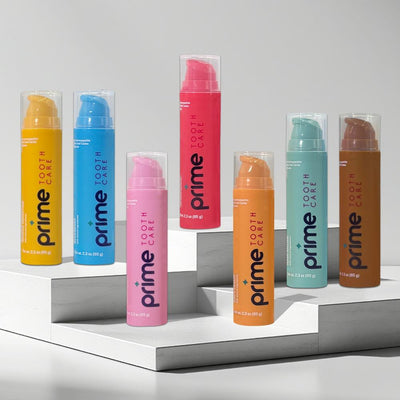
7 fruit flavors
Xylitol

Now that your 4-year-old can reliably spit out toothpaste, fluoride becomes an excellent choice for cavity protection. The American Dental Association recommends fluoride toothpaste for children who can spit, and this formula delivers proven cavity-fighting power in kid-friendly flavors that make brushing enjoyable.

This formula contains 1100 PPM sodium fluoride, the standard concentration recommended for children's toothpaste. It also includes hydroxyapatite for additional enamel support, xylitol to inhibit cavity-causing bacteria, and hydrated silica for gentle stain removal. The combination of ingredients provides comprehensive protection during a stage when your child is likely snacking more and being exposed to more sugary foods at preschool and social events.

Choose from seven delicious fruit flavors: Summer Watermelon, Mango Smoothie, Coconut Whip, Juicy Peach, Blueberry, Hami Melon, and Cream Strawberries. The variety gives your independent 4-year-old the power to choose, which can transform brushing from a battle into a positive routine they look forward to.

Why Fluoride Works Well at Age 4

By age 4, most children have developed the coordination to spit out toothpaste after brushing. This makes fluoride a safe and highly effective option for cavity prevention. Studies show fluoride reduces cavities by strengthening enamel and making teeth more resistant to acid attacks from bacteria and sugary foods.

Key Features

  • Sodium fluoride (1100 PPM) - Proven cavity prevention trusted by dentists
  • Hydroxyapatite - Additional enamel remineralization support
  • Xylitol - Inhibits cavity-causing bacteria between brushings
  • Hydrogen peroxide - Gentle whitening action for bright smiles
  • Hydrated silica - Gently polishes away stains from foods and drinks
  • 7 fun fruit flavors - Lets your child choose their favorite
  • SLS-free - Gentle foaming without irritation
  • Recommended for ages 2+ - Perfect for 4-year-olds who can spit
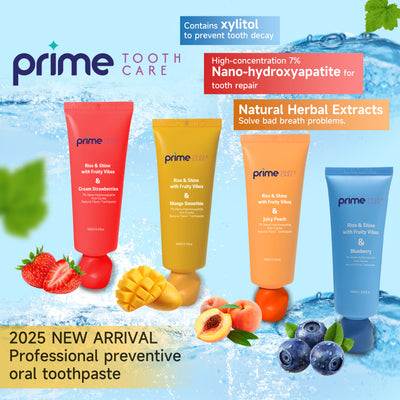
7% nHAP Fruit Flavor Toothpaste

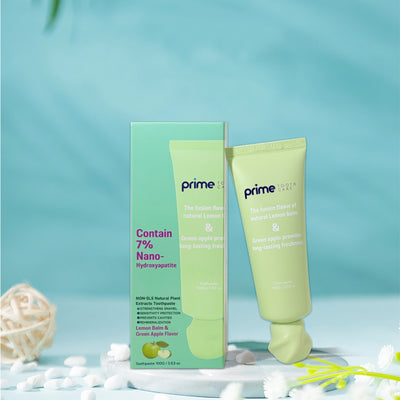
7% nHAP Non-SLS Natural Plant Extracts Fruit Flavor Toothpaste
BEST FLUORIDE-FREE OPTION

7% nHAP Fruit Flavor Toothpaste

Fluoride-free
7% nano-hydroxyapatite
7 fruit flavors
Safe if swallowed

If you prefer to avoid fluoride, even now that your child can spit, this advanced formula delivers excellent cavity protection through nano-hydroxyapatite. nHAP is the same mineral that makes up 97% of tooth enamel, and at a 7% concentration, it actively rebuilds and strengthens your child's teeth without any fluorosis risk.

The 7% nano-hydroxyapatite fills microscopic fissures in the enamel, remineralizes weakened areas, and reduces sensitivity. It provides cavity protection comparable to fluoride while being completely safe to swallow. This makes it an excellent choice for parents who want advanced dental technology without fluoride, or for children who occasionally still swallow some toothpaste despite being able to spit.

The same seven delicious flavors are available: Summer Watermelon, Mango Smoothie, Coconut Whip, Juicy Peach, Blueberry, Hami Melon, and Cream Strawberries. The formula also includes xylitol for bacterial protection, aloe vera for gum health, and natural extracts like red dates and ginseng.

Why Parents Love This Formula

  • 7% nano-hydroxyapatite - Actively rebuilds and strengthens enamel
  • Safe if swallowed - Zero fluorosis risk even with occasional swallowing
  • Reduces sensitivity - nHAP fills microscopic fissures that cause discomfort
  • Xylitol - Inhibits harmful oral bacteria
  • Aloe vera - Soothes gums naturally
  • 7 fun fruit flavors - Same great variety as our fluoride option
  • SLS-free formula - Gentle on sensitive mouths
  • Natural extracts - Red dates and ginseng for additional benefits

7% nHAP Natural Plant Extracts Toothpaste

7% nHAP Non-SLS Natural Plant Extracts Toothpaste
PREMIUM HERBAL OPTION

7% nHAP Natural Plant Extracts Toothpaste

Fluoride-free
7% nano-hydroxyapatite
Herbal extracts
Safe if swallowed

For families who prioritize natural, plant-based ingredients, this premium toothpaste combines the enamel-rebuilding power of 7% nano-hydroxyapatite with a carefully selected blend of herbal extracts. It delivers the same advanced nHAP benefits as our fruit flavor version but with a more sophisticated botanical formula.

The formula includes aloe vera, which soothes gums and has natural antibacterial properties; lemon balm extract (Melissa Officinalis), known for its antiseptic and anti-inflammatory effects; stevia rebaudiana, a natural sweetener with antibacterial properties; and tetrasodium pyrophosphate to help control tartar buildup. These ingredients work together to provide comprehensive oral care beyond just cavity prevention.

Available in two refreshing flavors, Lemon Balm & Green Apple and Tangerine, Grapefruit & Bergamot, this toothpaste has a more mature, citrusy taste compared to the candy-like fruit flavors. Some 4-year-olds enjoy these sophisticated tastes, especially those who are adventurous eaters or whose parents want to avoid overly sweet flavors.

Key Features

  • 7% nano-hydroxyapatite - Same powerful enamel rebuilding technology
  • Aloe vera - Soothes gums and fights bacteria naturally
  • Lemon balm extract - Antiseptic and anti-inflammatory properties
  • Stevia rebaudiana - Natural sweetener with antibacterial benefits
  • Calcium carbonate - Gentle plaque removal
  • Tetrasodium pyrophosphate - Controls tartar buildup
  • Fluoride-free & SLS-free - Safe and gentle formula
  • Refreshing herbal flavors - Sophisticated citrus and botanical tastes

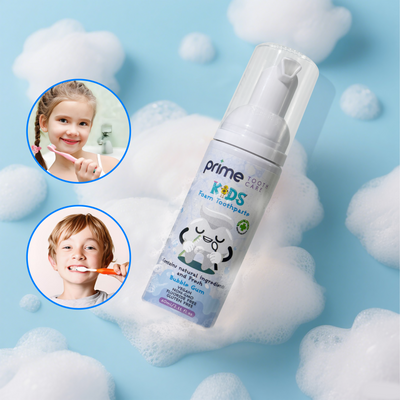
Baby Foaming Pump Toothpaste

Baby Foaming Pump Toothpaste
FOR PICKY BRUSHERS

Baby Foaming Pump Toothpaste

Fluoride-free
100% safe to swallow
Bubble gum flavor
Gentle foaming formula

While most 4-year-olds are ready for more advanced toothpaste, some children are particular about taste and texture. If your child has been using this formula since they were younger and brushing has been going smoothly, there is nothing wrong with continuing to use it. The familiar bubble gum flavor and gentle foam can help maintain a positive brushing routine.

The star ingredient is xylitol, which actively inhibits the growth of cavity-causing bacteria. The formula also contains dipotassium glycyrrhizate (GK2), a bioactive substance from licorice root extract that helps protect against periodontal disease and supports overall gum health. The gentle foaming action comes from sodium lauroyl sarcosinate, a mild, biodegradable surfactant that is free of harsh SLS.

This toothpaste works well as a backup option for days when your 4-year-old is being particularly resistant to brushing. Sometimes offering a familiar, milder option can prevent a brushing battle and ensure teeth still get cleaned. Many families keep this on hand alongside their primary toothpaste for flexibility.

Why It's a Good Backup Option

  • 100% safe to swallow - Zero concern about ingestion
  • Xylitol cavity protection - Inhibits harmful bacteria
  • Dipotassium glycyrrhizate (GK2) - Supports gum health
  • Familiar bubble gum flavor - Comforting for picky brushers
  • SLS-free gentle foam - Mild foaming that some kids prefer
  • Easy pump dispenser - Controlled portions every time
  • Prevents brushing battles - A reliable fallback option
  • Continuity from younger years - Same trusted formula

Frequently Asked Questions

Should my 4-year-old use fluoride toothpaste?

For most 4-year-olds, the answer is yes. By age 4, most children have developed the coordination to spit out toothpaste after brushing, which is the key factor in determining fluoride readiness.

Fluoride has been proven to prevent cavities by strengthening enamel and making teeth more resistant to acid attacks from bacteria. The American Dental Association and American Academy of Pediatric Dentistry both recommend fluoride toothpaste for children who can spit.

However, if you prefer to avoid fluoride for any reason, our 7% nHAP toothpastes provide excellent cavity protection through a different mechanism. Nano-hydroxyapatite rebuilds and strengthens enamel without any fluorosis risk, making it a great alternative for families who want advanced dental technology without fluoride.

How much toothpaste should a 4-year-old use?

For children ages 3 to 6, the recommended amount is a pea-sized portion of toothpaste. This applies to all Prime Tooth Care toothpastes, whether fluoride or fluoride-free.

Our pump dispensers make portion control easy. One full press dispenses approximately the right amount. Teaching your child to use the correct amount now builds good habits for life.

Using the right amount is especially important with fluoride toothpaste to minimize the amount that might be swallowed. With our fluoride-free nHAP options, there is more flexibility since they are safe to swallow, but using a pea-sized amount is still the best practice for effective cleaning.

What is nano-hydroxyapatite and how does it compare to fluoride?

Nano-hydroxyapatite (nHAP) is a synthetic form of the mineral that makes up 97% of tooth enamel. When applied through brushing, nHAP particles fill microscopic fissures and weak spots in the enamel, essentially rebuilding teeth at the molecular level.

Both fluoride and nHAP effectively prevent cavities, but they work differently. Fluoride strengthens existing enamel and makes teeth more resistant to acid attacks. nHAP actually rebuilds enamel by depositing the same mineral that teeth are made of.

The main advantage of nHAP for children is safety. Unlike fluoride, nHAP poses no risk of fluorosis if swallowed. This makes it an excellent choice for parents who want advanced cavity protection without any concerns about ingestion. nHAP has been used in toothpaste since the 1980s and is approved by dental authorities in Japan and Europe.

My 4-year-old wants to brush alone. Should I let them?

It is wonderful that your child wants independence, and you should encourage this! However, 4-year-olds do not yet have the fine motor skills or attention span to thoroughly clean all tooth surfaces on their own.

The best approach is a "you brush, then I brush" routine. Let your child brush first to practice their skills and satisfy their desire for independence. Then you take over to ensure all surfaces are properly cleaned, especially the back molars and gumline that kids often miss.

Most dentists recommend continuing to supervise and assist with brushing until age 6 or 7, when children typically develop enough dexterity to brush effectively on their own. Even then, occasional spot-checks are a good idea.

Why does my 4-year-old get cavities even though we brush?

Cavities can develop even with regular brushing for several reasons. Diet plays a huge role. Frequent snacking, especially on sugary or starchy foods, creates more opportunities for bacteria to produce acid that attacks enamel. Juice, fruit snacks, crackers, and even dried fruit can contribute to cavity formation.

Brushing technique matters too. If teeth are not brushed thoroughly, plaque remains in hard-to-reach areas. This is why parent follow-up brushing is so important at age 4.

Some children are also more prone to cavities due to the natural bacteria in their mouth, enamel strength, or saliva composition. If your child is getting cavities despite good brushing, talk to your dentist about additional preventive measures. Using a toothpaste with nHAP can help rebuild weakened enamel, and fluoride treatments at the dentist may be recommended.

Is it normal for my 4-year-old to still dislike brushing?

Yes, many 4-year-olds still resist brushing at times. While some children have accepted brushing as part of their routine by this age, others continue to push back. This is normal and does not mean you are doing anything wrong.

Strategies that help include letting your child choose their toothpaste flavor, using a fun toothbrush (maybe one with a favorite character), playing a 2-minute song during brushing, using a timer or brushing app with games, and offering small rewards like stickers for cooperative brushing.

Consistency is key. Brush at the same times every day so it becomes an expected part of the routine. If your child is particularly resistant, offering our Baby Foaming Pump Toothpaste as an occasional alternative can help prevent a complete brushing standoff.

When will my child get permanent teeth?

Most children get their first permanent teeth around age 6. The first to arrive are usually the "six-year molars," which come in behind the baby teeth (not replacing any baby teeth). Around the same time, the lower front baby teeth typically start to become loose and fall out, making way for permanent teeth.

This makes age 4 a critical time for dental care. You are protecting baby teeth that still have a couple of years of service ahead, and you are building the habits and oral health foundation that will carry into the permanent teeth years. Strong, healthy baby teeth help ensure proper spacing and alignment for permanent teeth.

What is the difference between the two 7% nHAP toothpastes?

Both our 7% nHAP Fruit Flavor Toothpaste and 7% nHAP Natural Plant Extracts Toothpaste contain the same 7% concentration of nano-hydroxyapatite for enamel rebuilding. The differences are in the supporting ingredients and flavor profiles.

7% nHAP Fruit Flavor features fun, sweet fruit flavors like Watermelon, Mango, Coconut, Peach, Blueberry, Hami Melon, and Strawberries. It contains xylitol, aloe vera, stevia, and natural extracts including red dates and ginseng. Most kids find these flavors immediately appealing.

7% nHAP Natural Plant Extracts features more sophisticated herbal flavors: Lemon Balm & Green Apple and Tangerine, Grapefruit & Bergamot. It contains lemon balm extract with antiseptic properties, aloe vera, and a more botanical-focused formula. Some kids enjoy these citrusy tastes, while others prefer sweeter options.

Both are excellent choices. For most 4-year-olds, the fruit flavor version tends to be easier to introduce, but some kids surprise their parents by preferring the herbal option.

How often should my 4-year-old see the dentist?

The American Academy of Pediatric Dentistry recommends dental checkups every 6 months for children. These regular visits allow the dentist to catch any issues early, provide professional cleaning, apply fluoride treatments if appropriate, and reinforce good oral hygiene habits.

If your child has not been to the dentist recently, now is a great time to schedule a checkup. The dentist can assess your child's cavity risk, examine their developing teeth, and make personalized recommendations about toothpaste, fluoride, and brushing technique.

Between visits, watch for signs of potential problems like tooth pain, sensitivity to hot or cold, visible spots on teeth, or complaints about discomfort when eating. If you notice any of these, schedule an appointment rather than waiting for the next regular checkup.